Noxious Weeds and Dangerous Plants

In Ontario, 25 weeds are classified as “noxious” under the Weed Control Act. These plants can harm people, animals and livestock, while posing risks to agricultural workers and residents of Saugeen Shores.  

The Town of Saugeen Shores is responsible for managing noxious weeds on municipal property. 

If you spot any of the above on Town-owned land, please report it. Our team will assess the risk before deciding on removal or treatment. 


Recurring Noxious Weeds in Saugeen Shores 

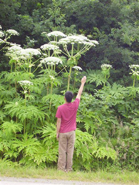
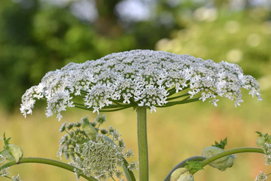
Giant hogweed hasa thick, green, bristly stem and white flower clusters that bloom in summer. It is normally between three and five metres tall. 

Giant hogweed is dangerous for humans and animals. It contains a clear sap that can cause a sunburn-like feeling when it comes into contact with bare skin.

It also has photosensitizing compounds, which means that the burn can become worse if the skin is exposed to UV rays from the sun.

To learn more about giant hogweed, visit the Invasive Species Centre’s Giant Hogweed Profile.
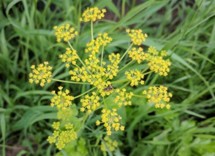
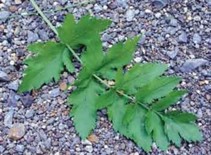
Wild parsnip has a smooth, thin, green stem, and green leaves with “mitten-shaped” leaflet pairs. It also blooms yellow-green flower clusters during the summer months. It grows to 1.5 metres tall or less.

Like giant hogweed, wild parsnip contains a sap that can cause a sunburn-like feeling when it comes into contact with bare skin.

It also has photosensitizing compounds, which means that the burn can become worse if the skin is exposed to UV rays from the sun.

To learn more about wild parsnip, visit the Invasive Species Centre’s Wild Parsnip Profile.

.

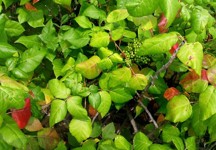
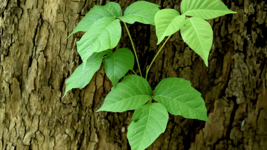
Poison ivy sprouts have three smooth leaves and a reddish-coloured stem. The leaves are green in the spring and summer, and red, orange, or yellow in the fall. Poison ivy can also grow clusters of small, white berries.

Poison ivy is dangerous for humans because its oil can cause an itchy, red skin rash. The oil can be spread easily, and sometimes without even touching the plant itself. Pet fur, bed linens, clothing, or furniture can cause a second-hand oil transfer onto human skin.

To learn more about poison ivy, visit Canada.ca – Poison Ivy.


Property Owner Responsibility 

If you own property, be it residential, commercial or industrial, you’re responsible for controlling the noxious weeds on it. Failure to do so may result in fines from the Province of Ontario. 

Controlling can mean spraying or removing the weeds to reduce the number of seeds that can be spread. 

Due to the risks associated with touching noxious weeds, it is recommended that you hire an experienced professional for spraying and removal. 

For more resources and support, you can contact the Ontario Invasive Plant Council: 

Phone- 1-705-741-5400 

It’s recommended to speak to a medical professional if you’ve encounter any of these harmful weeds. 

More information on what to look for and treatment options: